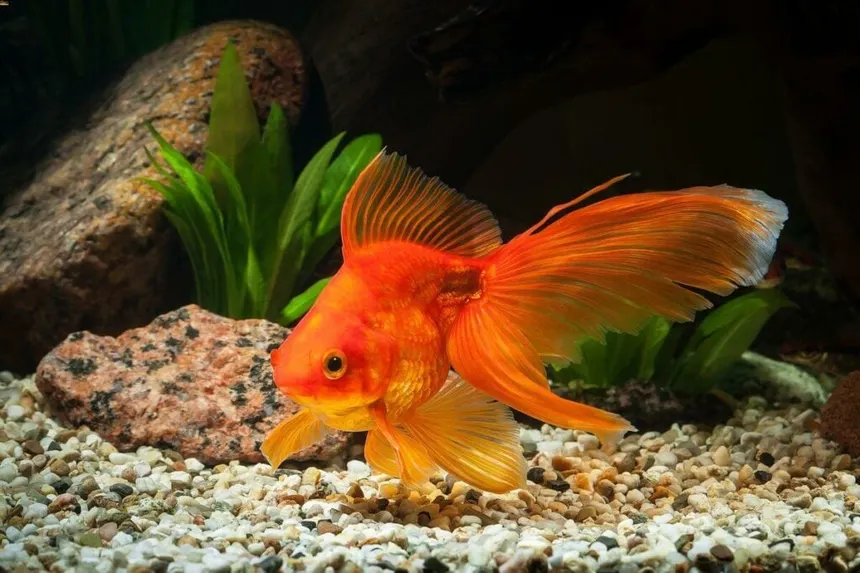
Goldfish are undoubtedly one of the most popular fish species in the world, and seem to be the go-to fish for beginners. They are known for being easy to keep and pretty to look at, with a wide range of shapes and sizes. But not all of this is true. Out of all the fish I have kept, none have proved as hard to keep in a planted tank as the pesky goldfish. They were the only fish I had for my first year of fishkeeping, and I have lost track of how many I’ve killed. The fact is, you can’t just put a goldfish in your gorgeous planted aquarium and expect everything to go well, because they will eat everything. Any plant that is soft, lacy or leafy, will just get destroyed, and then the water will rot. Over time you start to find out about what I call ‘Goldfish proof plants,’ things like grasses, and plants with hard shiny leaves.
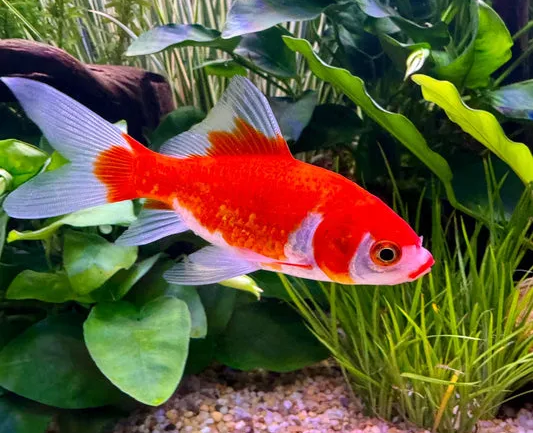
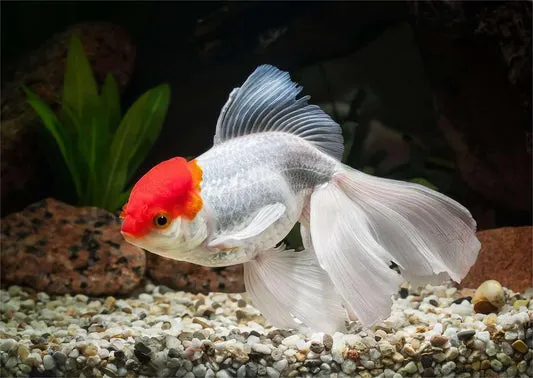
Goldfish are beautiful, there is no denying it. They’re cute, friendly, colourful, and just want to be your friend. But some of the modern types really are quite delicate, and I would not recommend goldfish for a beginner aquarists.
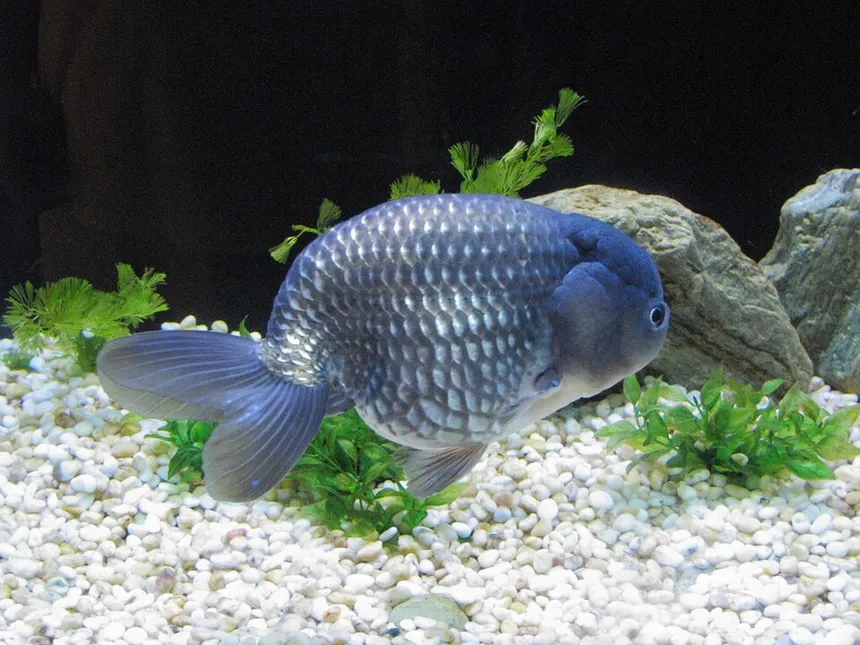
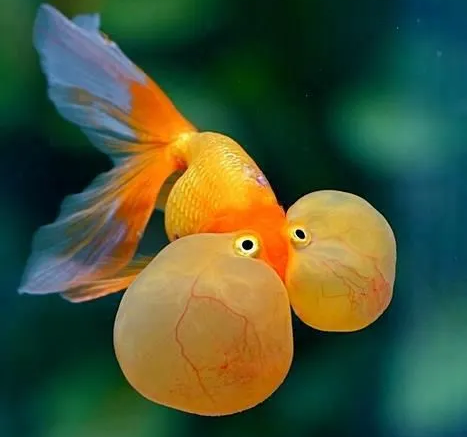
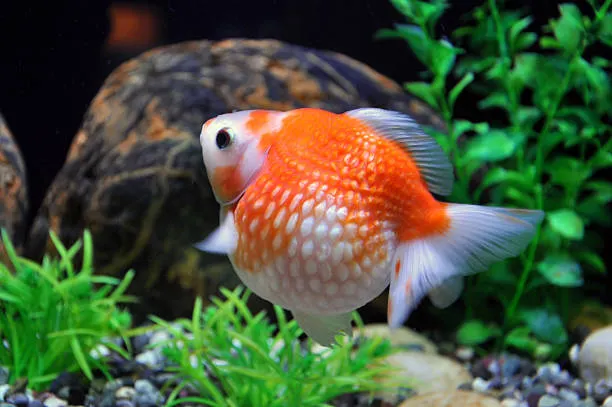
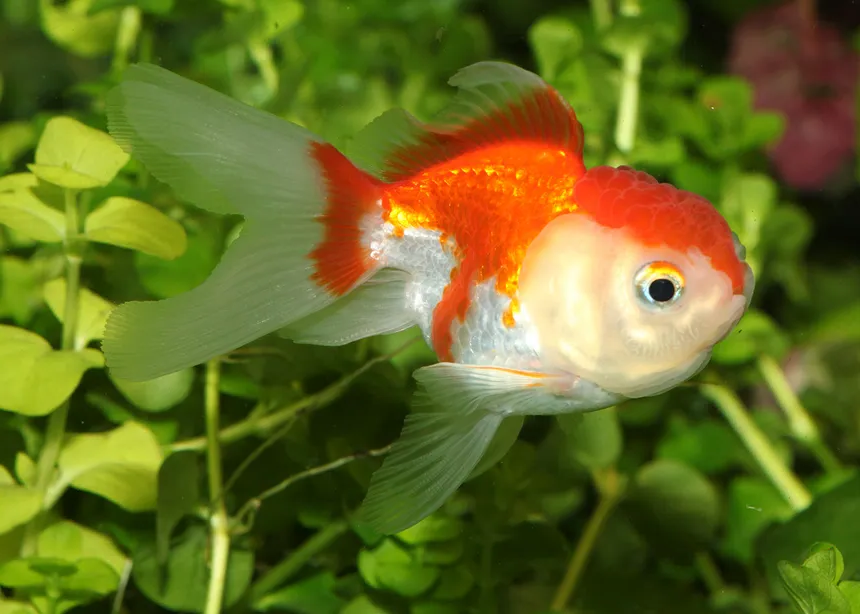
Comets tend to be tougher, because they are closer to the classic fish shape, which, let’s face it, is a lot more streamlined and cut out for general living. Orandas and fantails are lovely, and I have nothing against a good black moor, but they are prone to disaster. (It seems like 7 out of 10 Black moors in shops have flukes) And then you have things like ranchus and pearlscales. I mean, why? Pearlscales are so fat and so puffed up, they look like they permanantly have dropsy (I don’t know what happens if they actually do). And the way ranchus limp around without their backfin is just sad. I just have to say nothing about bubble eyes though.
Goldfish in general are also really good at eating, which means really good at pooing. The amount of waste they create compared to tropical varieties the same size is amazing, which means they need plants of twice the vigor to keep the amonia down. This is why people say you need a filter for keeping goldfish, and in some senses that might be true. I can’t beleive I’m saying this, but a filter is possibly a good idea if you have a larger amount of fish, so long as it’s not so strong that it stirs everything up. That, however does not mean you can have no plants. Put as many plants as you can in the tank, make it look as great as you can, and see how it goes. A bright light is the most critical thing, with bright lighting your plants can grow to their full potential. If you’ve just got two goldfish in your bright, planted tank, you won’t need a filter.
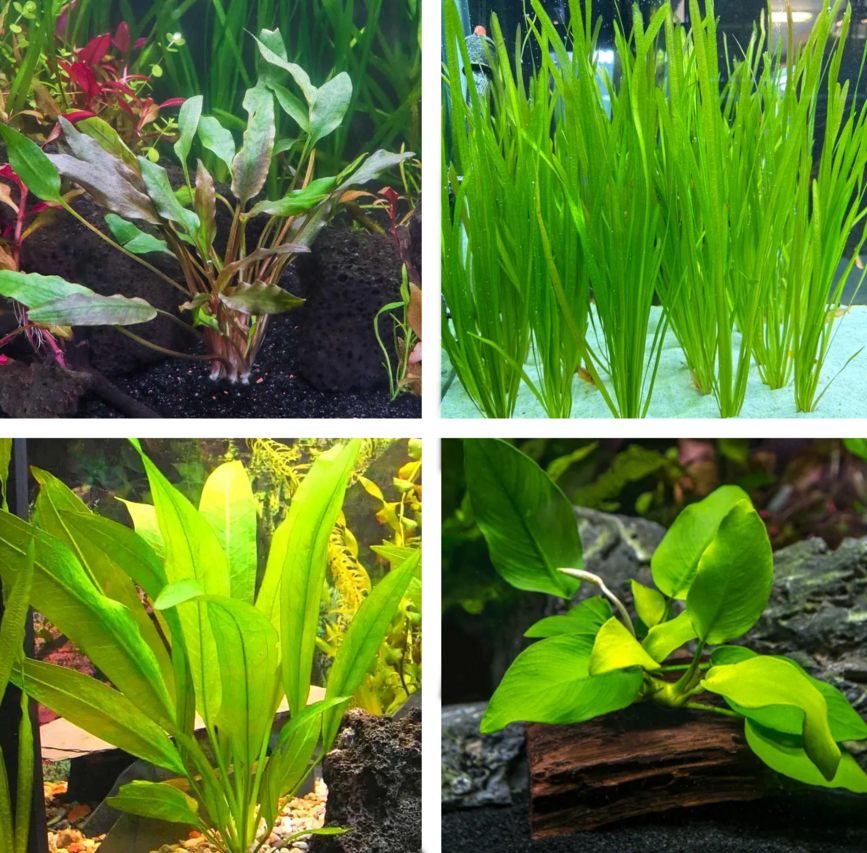
Here are some plants that goldfish won’t eat. Feel free to try others, just be aware they might get shredded.
Water trumpets: (Cryptocoryne) upper left
Vallisneria: upper right
Amazon sword plant: lower left
Anubias: lower right
Elodea: (Looks soft, but is really tough)
Java fern:
I personally don’t recommend goldfish for beginners, not only because of the plants, but because they seem to be much more prone to disease. Flukes and white spot are easy things to miss when you don’t have the eye for it, but if you buy an infested fish you’ll know about it. Salt treatment is often effective, but it’s also easy to get wrong, (I’ve done it wrong a few times)
All up, I’m not saying goldfish are bad and I’m not saying you shouldn’t get them, just leaving fair warning. But then, if you feel really confident, just dive in. Be sure to look over your fish thoroughly before purchasing, to check for common problems, a list of which I have left below.
Flukes: Appear like tiny white hairs all over the body. When you look very closely they move from end to end like a leech. They are tiny blood suckers.
White spot: Not surprisingly, is white spots on your fish. Looks similar to fungus, but flatter and more on the body.
Fungus/fin rot: Generally appears in fluffy, whitish clumps on or around the fins. Fins can appear shaggy or split, and murky in colour.
Swim bladder disorder: Pretty easy to see, the fish will appear lethargic, and be pushed around by the current, floating on one side or upside down. Symptoms vary in intensity.
Dropsy: Rather than floating high the fish will drift lower, near the bottom of the tank, and appear puffed up. Scales stick out, making the fish look like a pine cone in bad cases.
Choose a fish that seems sprightly, healthy, and fights the water current. If a fish is hard for the pet shop worker to catch, I see that as being a very good sign. You want a fish that has fight, because that means strength, and all up, health. Don’t pick a fish that seems docile, because it has a much higher chance of being unwell, even if you can’t see anything immediately wrong with it. Fantails and comets are the toughest types, and just don’t get a Bubble eye. I love orandas, but they are a little more delicate. Still a fine choice though if you have a very clean tank. (They rot easy)