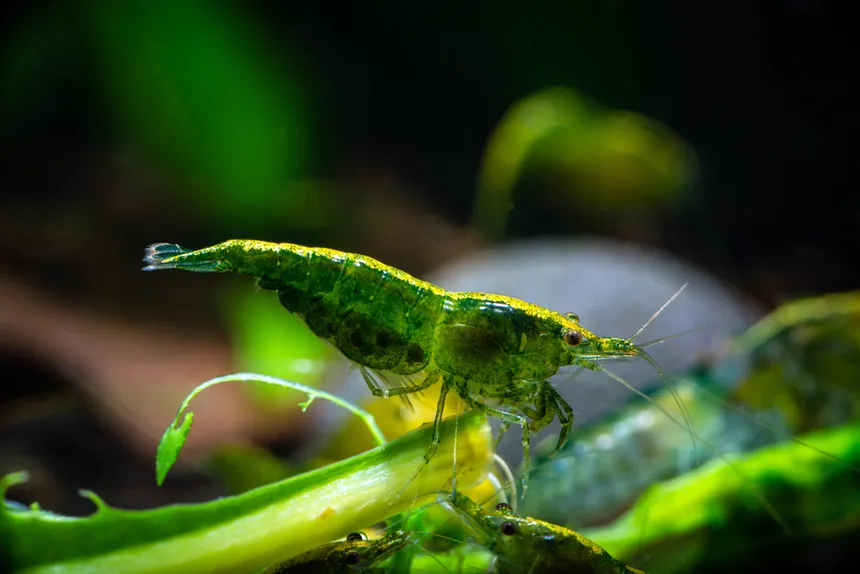
Shrimp must be one of my favourite aquatic animals to keep. Partly because they’re really pretty, and because they breed well and seem to enjoy themselves all the time. Some species aren’t good for cooler waters, but cherry shrimp do fine in water temperatures as low as 10 degrees, though probably more ideal in 15, which is the general inside water temperature in cooler states like Tasmania. Some types like blue dream are quite pricey, but most colours can be obtained through breeding. Some people say breeding different shrimp colours is like mixing paint, and in the end they’ll all turn out brown, but that isn’t true. From my experience it’s totally random, and probably depends more on what you feed them and what water they’re living in. By mixing striped ghost shrimp and yellow cherry shrimp I quite accidentally created a crusteacean that looks a lot like a green jade shrimp, an expensive type with a prince ranging anywhere from $10-45 depending on the grade.
I had no idea at the time that I had made a known breed colouration quite accidentally, and when the next generation came through I was surprised yet again. There were some which were born a dark blueish colour, and turned to darker green, and some a rusty orange like the attractive Sukura shrimp. I understood that colour a bit better, as it came from the great grandmother, the yellow cherry, but the amount of bountiful colours was quite amazing. I still don’t know how it happened or how it worked, but I’m blaming the creek water.
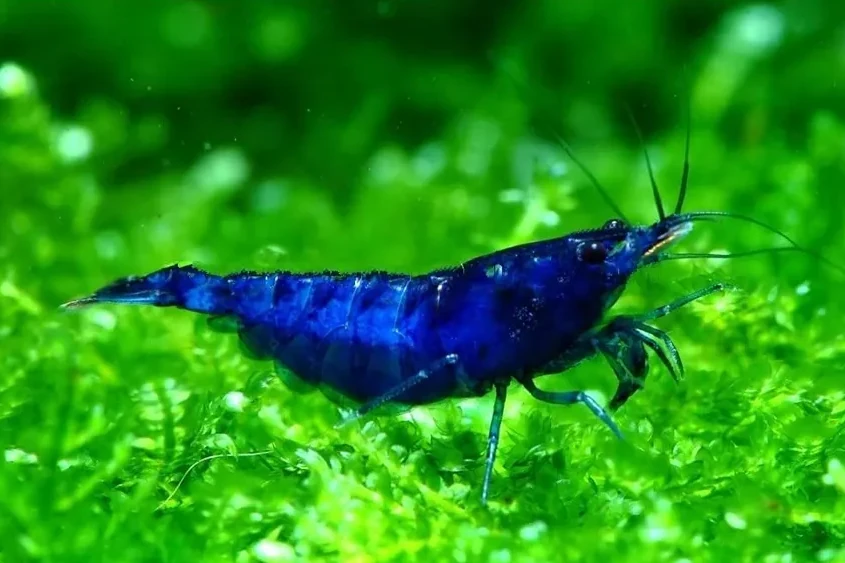
My favourites of all the colours are probably the blue dreams, but they’re also quite fancy and expensive. I have never bred them, but they are a kind of cherry shrimp, so I imagine they’d be pretty similar to the yellow and red cherry. I intend to get into the blue dreams in the near future, as well as other expensive fancy breeds. I’ll leave a very long list of colours at the bottom.
I haven’t kept any type of shrimp other than cherries, but if you wanted to give it a go I’d say definitely do it. I find some, like the brackish red nosed algae eating shrimp and the long armed Australian shrimp, to be a bit ugly, but at the same time I’m sure they serve a very valid purpose. The thing is with shrimp, it’s really hard to go wrong. They are generally easy to keep (except the crystal ones) and make a very satisfying pet.
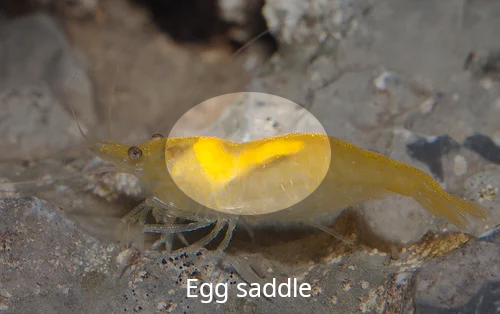
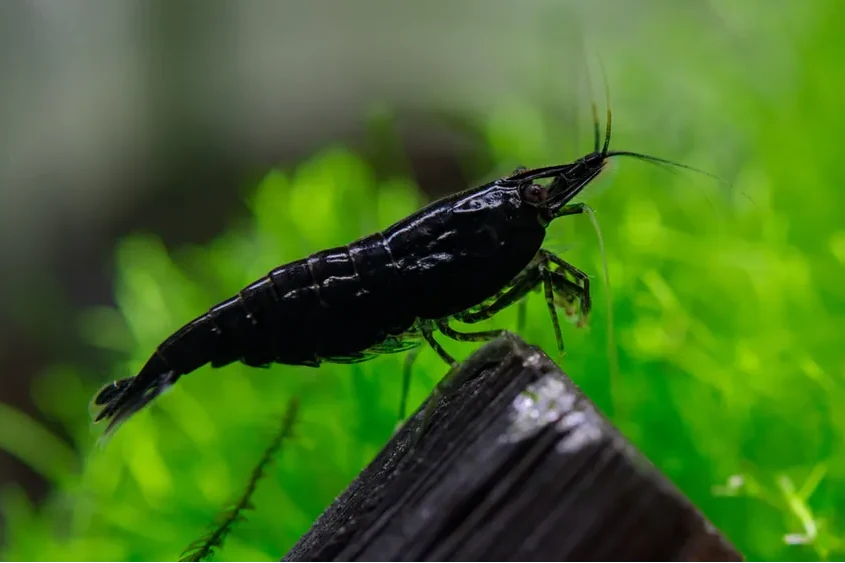
The females are a bit shy, and in a well planted tank you won’t see the darker coloured ones much at all. Sometimes they get even shyer when they have eggs, and they can go missing for a quite a while, then reappear carrying a load. You can tell a female is ready to breed when the saddle appears, a yellow or paler coloured patch over the females’ back, which is actually her unlaid and unfertilised eggs.
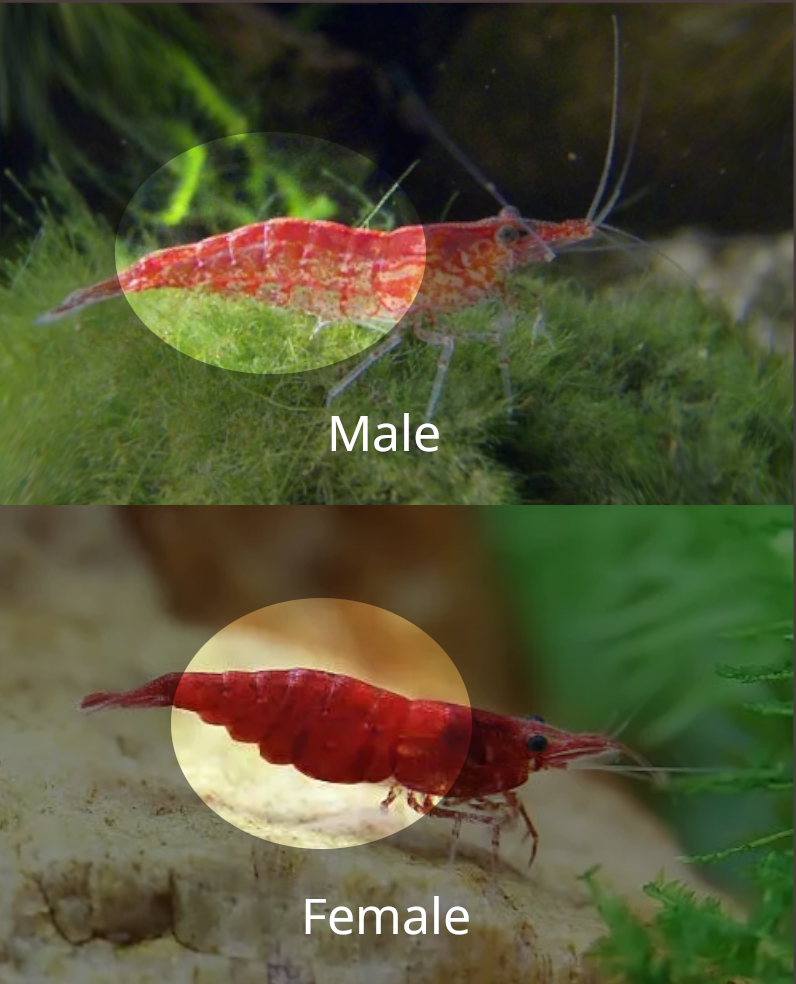
Telling the difference between a male and female shrimp is fairly easy when they’re adult, when they’re under 1 cm it can be harder, but still generally doable. The female is larger, more solid in colour, and with a rounded undercarriage, where she will hold her eggs if she has any. The males are duller, often partly clear, and have a slimmer back end, with a carved out looking underside, the opposite to the female. The shape is more or less distinct depending on the individual, but it is always there.
If you’re breeding shrimp, a 15 gallon tank should be good, and one without fish, as a lot of babies will get eaten. You may think when you start breeding them that they should be fast enough to keep themselves safe, but the fact is they just aren’t. Fish can pounce, and even types like guppies can be pretty good hunters. If you have adult shrimp living with your fish they will breed, there will just be a smaller survival rate. You can buy special shrimp food, but mine just eat Hikari tropical granules, the same as all my other fish. A salt pinch sized amount is good, gently rubbed between your fingers under the water so that it sinks. This way the shrimp can eat it at their leisure, and the food won’t disperse in the water too much. Remember, if you’re feeding not quite enough it’s better than a little too much. If you’re doing a more controlled breeding system and want to monitor your crosses, then a tank can have just some floating plants and epiphytes on ornaments, with no substrate. However the water will have to be already alive for this to work, so you’d want to have an already established fish tank you can get the water from.
Cherries
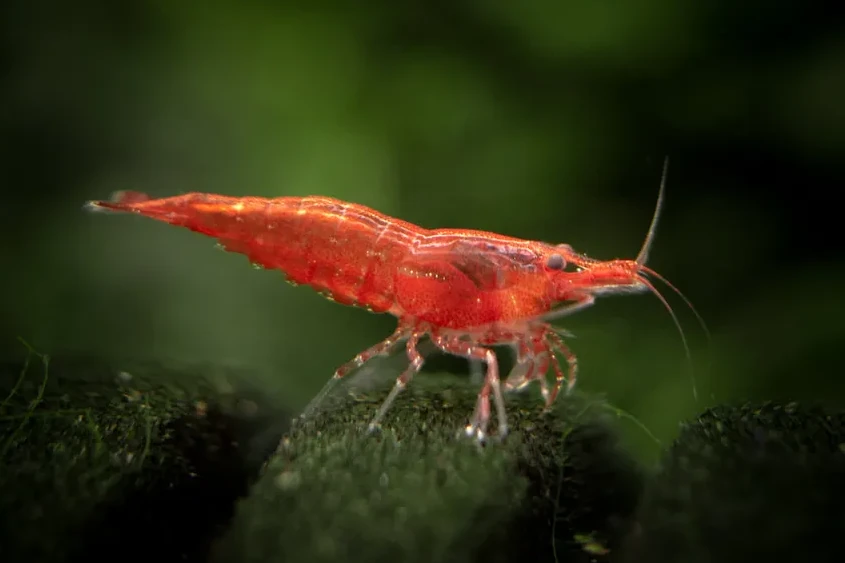
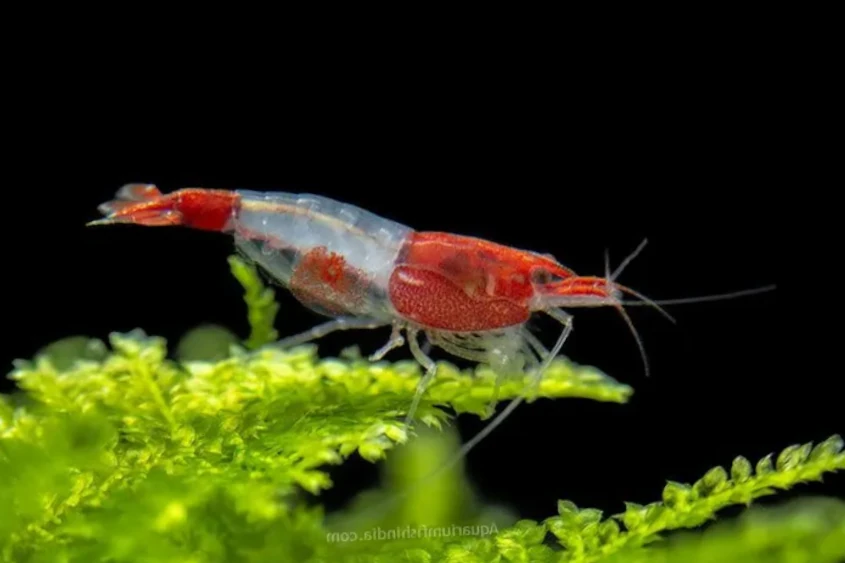
Cherry shrimp are a popular variety, due to their vast colour range and easy management. They are tough and breed well in a vast water range, with temperatures as low as 10 degrees in my experience. Some types like the green jade and the blue dream are more expensive, but all reasonably affordable in the low grade. They are a Dwarf. Dwarf shrimp have a size range of between 1 and 2 inches.
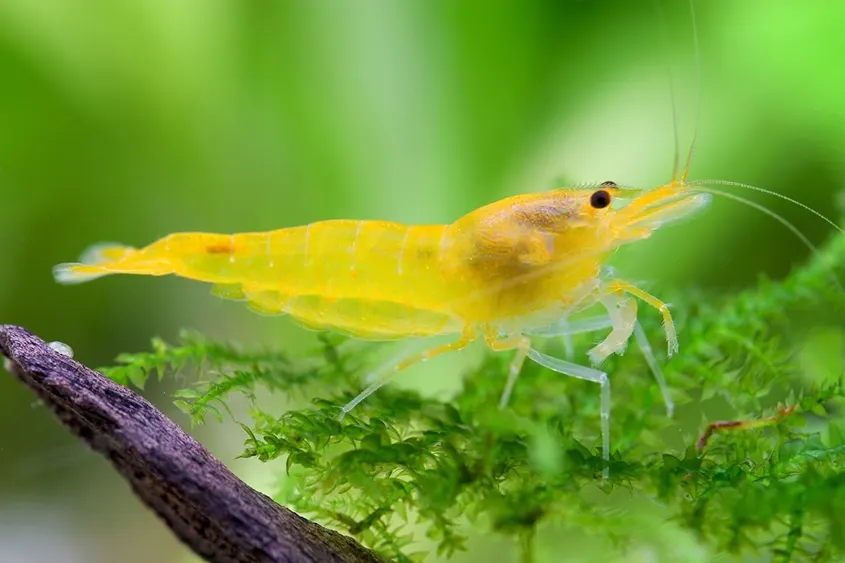
Yellow cherry shrimp. (Neocaridina heteropoda) $10
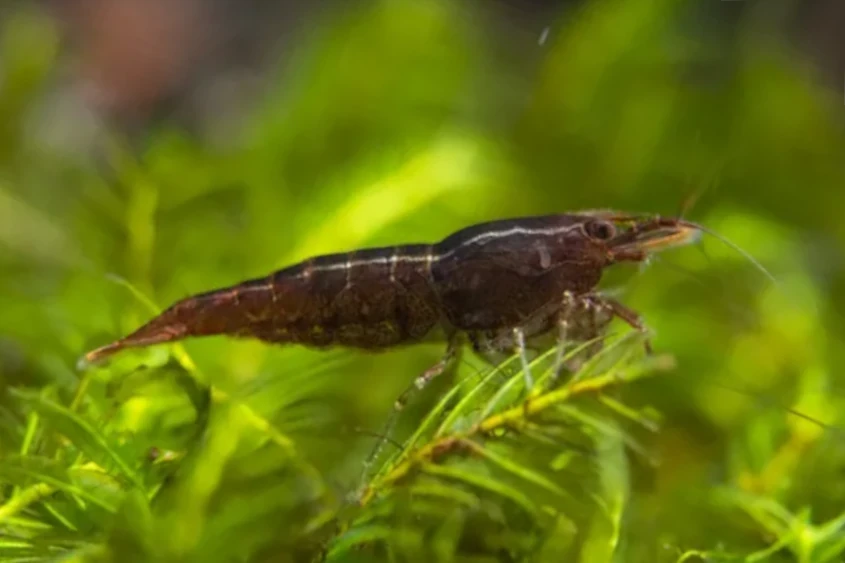
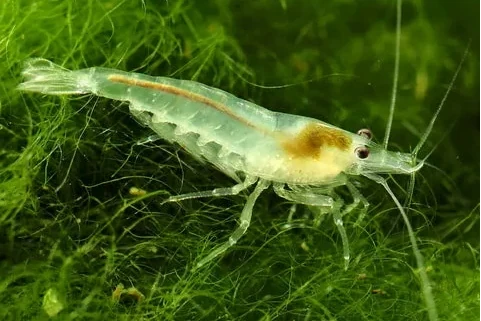
The females are actually not so clear, but they never advertise them because it goes against the said look. They are however a strong and viable shrimp to have in your mix, and can bring out nice green colours it would seem. Dwarf
Other shrimp
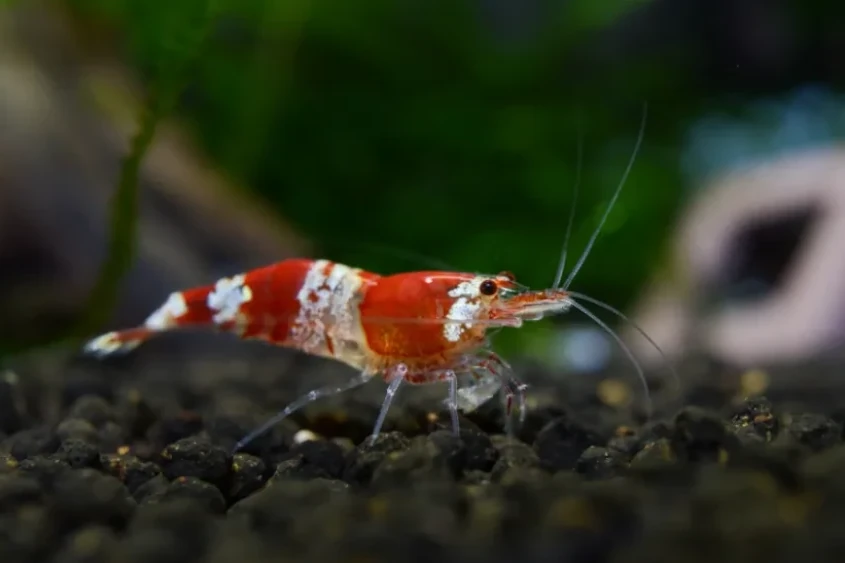
I have never kept crystal shrimp, but they are quite the pretty things, and I intend to give them a go. They are a little more delicate than the cherries, and need warmer waters. I’m not sure about their breeding frequency. Dwarf
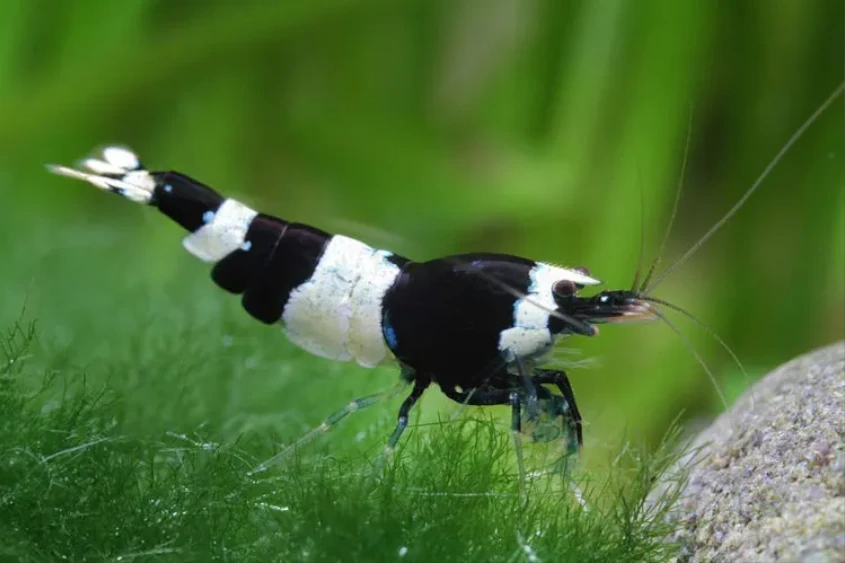
The black version of the red crystal, these have the same requirements and tendancies. Again, I don’t know much about them personally, but I can say that they cost a bit more than the cherries, and are more delicate. Dwarf
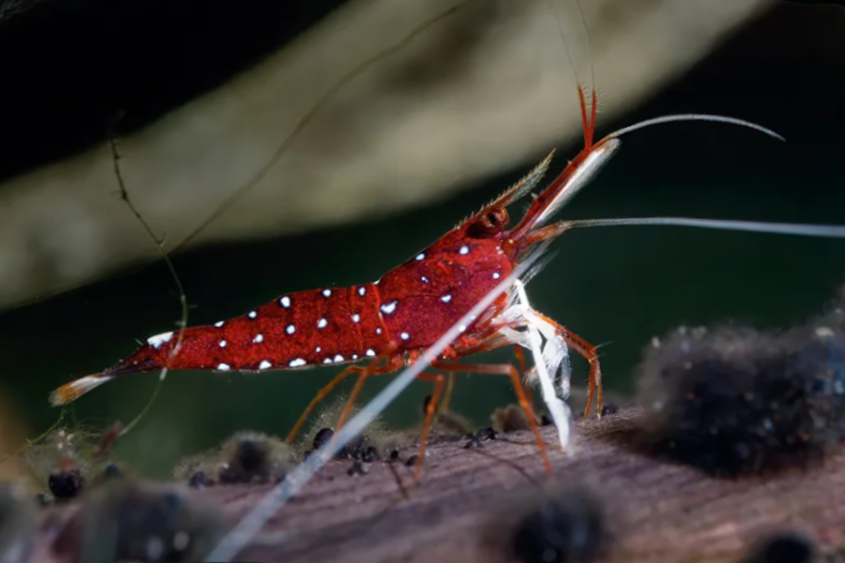
Cardinal Sulawesi Shrimp. (Caridina dennerli) All I know about these shrimp is that they are beautiful and very hard to keep. I’m going to try and breed them in the future. Dwarf
Shrimp I know nothing about. (but might be similar to the cherries)
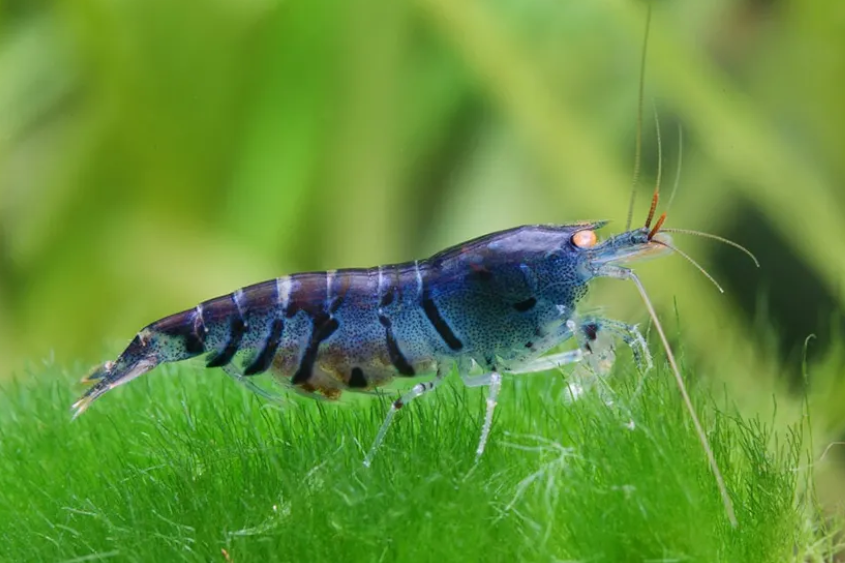
Orange eye blue tiger shrimp. (Caridina mariae) Dwarf
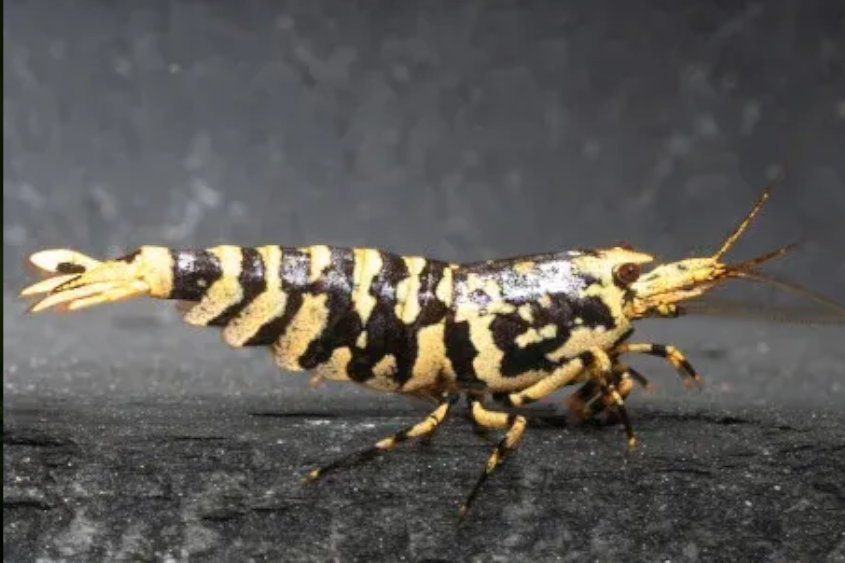
Black galaxy tiger shrimp. (Caridina mariae) Dwarf
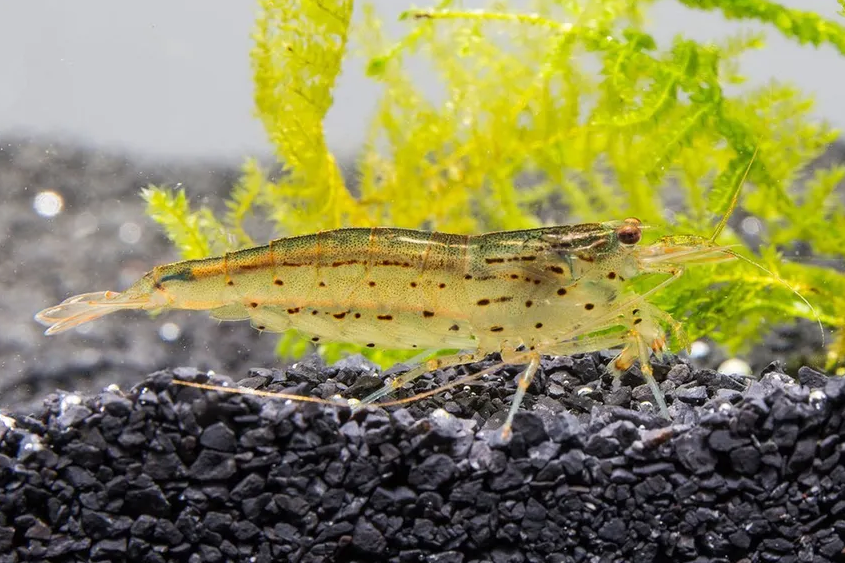
Amano shrimp (Caridina multidentata) Dwarf
There are so many colours and types of shrip that the list could just go on and on, so I’ll stop here. Once I have more experience with rarer or more difficult breeds I’ll write individual profiles. This is more the basics of cherries and other easy types. I can’t wait until I know more about the Cardinal Sulawesi Shrimp, and can write a profile on them!